
Drone pull back
Pull back from a summit figure to the mountain range, preserving foreground-to-distance scale.
Camera movements
The camera retreats from the subject. The subject becomes smaller as more of its surroundings enter the frame.
Camera view
Preparing…
Preparing…
How this movement works
The camera retreats from the subject. The subject becomes smaller as more of its surroundings enter the frame.
What changes?
- Camera position
What stays the same?
- Camera orientation
- Focal length
- The same scene assets
Practice tip
Give the wider final frame something worth discovering.
When to use this movement
Reveal the setting around a subject.
Show a character’s relationship to a larger space.
End a moment by creating visual distance.
Drone pull back vs. Slow zoom out
Watch both examples and compare the camera behavior. These demos use different sets, so compare motion rather than scenery.
Drone pull back
| Aspect | Drone pull back | Slow zoom out |
|---|---|---|
| Camera position | Changes | Fixed |
| Camera orientation | Fixed | Changes |
| Focal length | Fixed | Changes |
Related camera moves
Explore another real example, then copy it into your own scene.
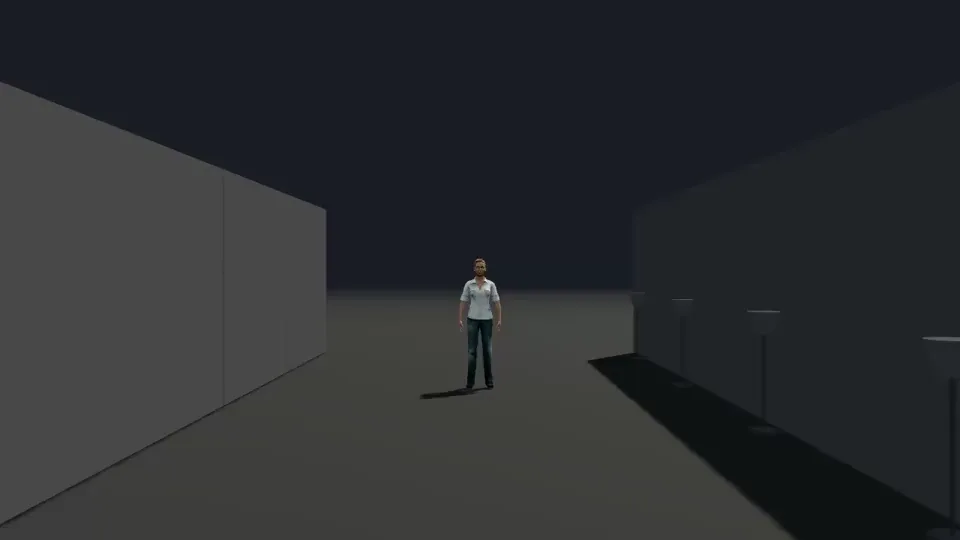
Dolly in →
Advance through a corridor toward a person, retaining the strong wall and foreground parallax.
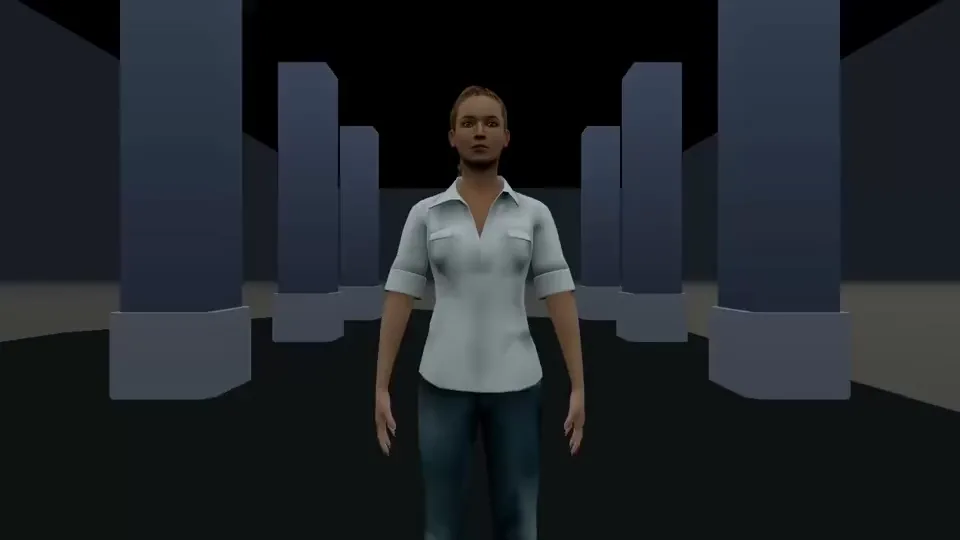
Dolly out →
Retreat from a person into the station hall as subject scale and architectural perspective change together.
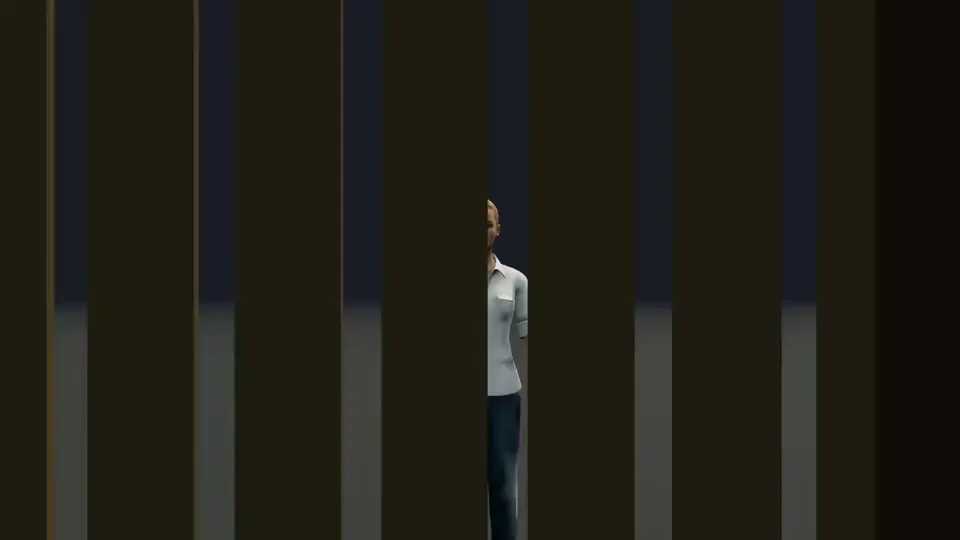
Push past / pass-by shot →
Move past near bars toward a person, preserving the timing of the disappearing occlusion.
Common mistakes
- Pulling back without revealing useful context.
- Adding movement without a clear starting composition or a useful final frame.
Make it your own
Play the shot to study its movement, then choose Copy to create a new scene. In the editor, adjust the subjects, set, camera position, orientation and focal length.