
Slow zoom in
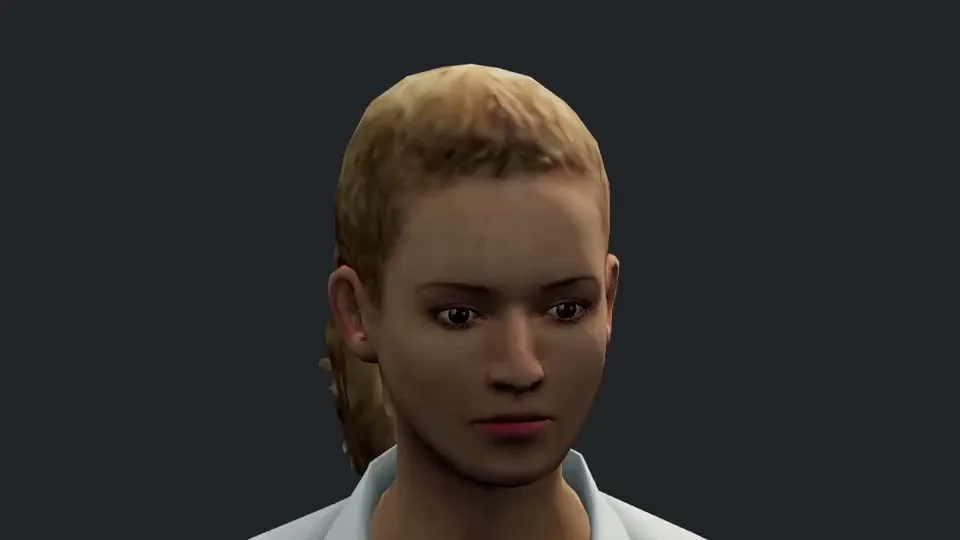
The table composition gradually tightens onto the face; match zoom timing and face size.
Camera movements
The focal length increases from a fixed camera position. The visible area narrows and the subject appears larger without physical camera travel.
Camera view
Preparing…
Preparing…
How this movement works
The focal length increases from a fixed camera position. The visible area narrows and the subject appears larger without physical camera travel.
What changes?
- Camera orientation
- Focal length
What stays the same?
- Camera position
- The same scene assets
Practice tip
Compare background relationships with a dolly in, rather than judging only subject size.
When to use this movement
Direct attention toward a small detail.
Tighten a composition from a fixed position.
Make a deliberate, visible change in magnification.
Slow zoom in vs. Dolly in
Watch both examples and compare the camera behavior. These demos use different sets, so compare motion rather than scenery.
Slow zoom in
| Aspect | Slow zoom in | Dolly in |
|---|---|---|
| Camera position | Fixed | Changes |
| Camera orientation | Changes | Fixed |
| Focal length | Changes | Fixed |
Related camera moves
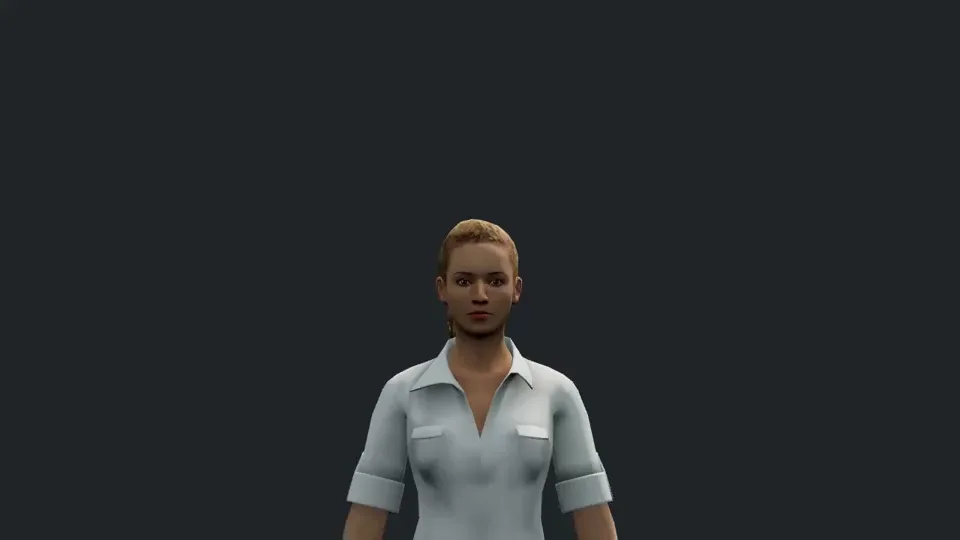
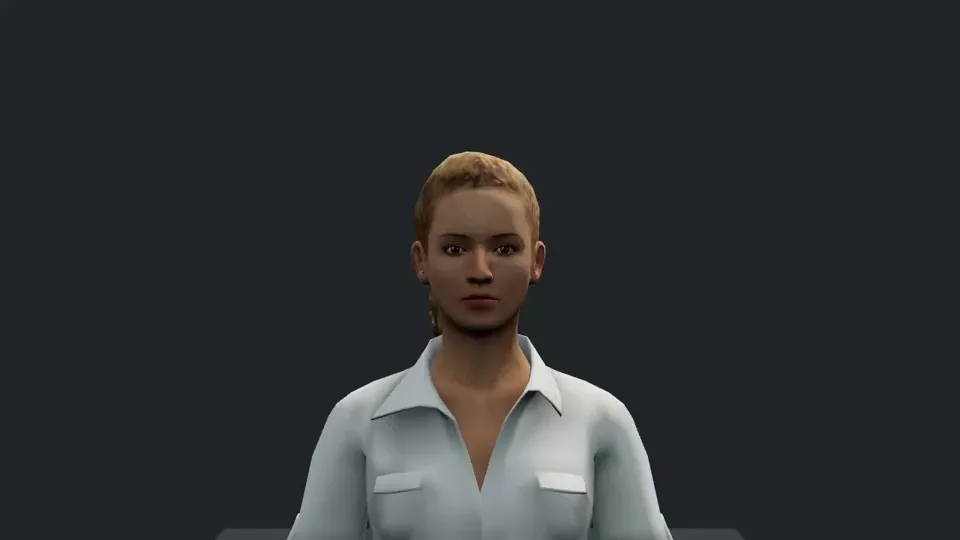
Explore another real example, then copy it into your own scene.
Common mistakes
- Expecting optical magnification to create the parallax of a dolly.
- Adding movement without a clear starting composition or a useful final frame.
Make it your own
Play the shot to study its movement, then choose Copy to create a new scene. In the editor, adjust the subjects, set, camera position, orientation and focal length.